Andrew Forrest is one step closer to building a hydrogen fuelled power plant in NSW with the project being declared as a critical state significant infrastructure (CSSI) project. The CSSI status granted by the NSW Department of Planning, Industry and Environment show the $1.3B project has government support.
The duel fuelled 635MW power station is also hoping for support through the federal government’s Underwriting New Generation Investments scheme but at this stage no funding has been released to any project. The power plant forms just one part of Andrew Forrest’s plans for Port Kembla with his company Squadron Energy also developing the LNG import terminal.
The duel fuelled power station is designed to run on 50% green hydrogen but is likely to utilise the LNG available close by.
The Port Kembla power station is aiming for financial close by August 2022 and operational by Q125.
NSW Deputy Premier John Barilaro said the move to grant the project “critical state significant infrastructure” was driven by its “game changer” status in terms of supporting new renewable energy in NSW as coal power plants close.
The timing of this announcement is also good news for renewable energy project developers who have recently been invited to an expression of interest for the New England Renewable Energy Zone (REZ). The synchronous power station will not only provide an opportunity to burn clean green hydrogen but also provide much needed system strength services such as inertia.
The government has received 34GW of renewable energy interest which is 4 times the proposed capacity of the REZ. This has raised concerns from communities that fear over development of the area.
Matt Macarthur Onslow, from the Responsible Energy Development for New England, said the major expansion envisaged lacked “social licence”, and major divisions within local communities regarding renewables and concerns that they feel are being overlooked.
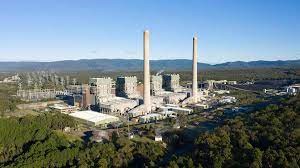 Eraring is expected to be the cause of much of the impairment, but the gas-powered generation (GPG) units did not fair much better. The GPG were affected due to the increased cost of gas and the decrease in the spot and contract electricity market price.
 sumer bodies, academics, government bodies and interested parties over the last two years. An options paper was released in April and the final advice is expected to closely reflect the options discussed.




 A constraint designed to maintain power flow in the Gladstone region, primarily to maintain the continuous current rating on the 132kV feeder bushing at Boyne Smelter, is constraining off hundreds of MWs in Queensland.